Yarrabilba Urban Development
Spanning approximately 2,000 hectares, the Yarrabilba Urban Development Area represents a significant State urban planning initiative in South-East Queensland.

At Austecology, we understand that every site and project forms a unique combination of opportunities. We know from experience that a strong understanding of ecological values, of project characteristics, and the legislative context, ultimately delivers timely and sound outcomes for all stakeholders.
Our director, Lindsay Agnew, has over 30 years’ experience as a field ecologist and has provided expert witness evidence in over 200 matters before Queensland’s Planning and Environment Court, Land Court, and Magistrates Court.
For every project, we bring insights from our previous experience within a variety of bioregions, across industry sectors, and different developments which span across the project scale spectrum. Our experience extends across wildlife habitats throughout Queensland and the Northern Territory.
We have decades of experience in addressing the requirements of various Local Government planning schemes, State and Commonwealth Government legislation. This provides us with an understanding of how to size the level of survey effort and reporting required to meet the expectations of the relevant assessment agency.
From small projects to infrastructure projects of State significance, we apply an objective approach to the assessment of ecological values to inform your project development.
We conduct a range of cost effective and robust investigations, including:
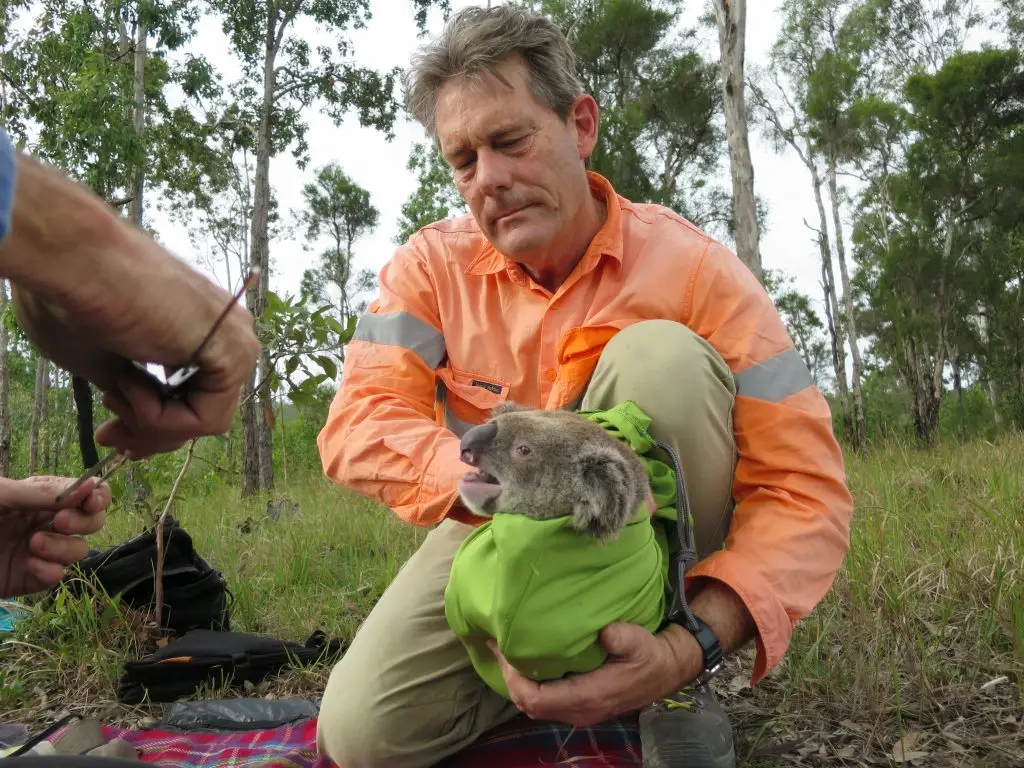
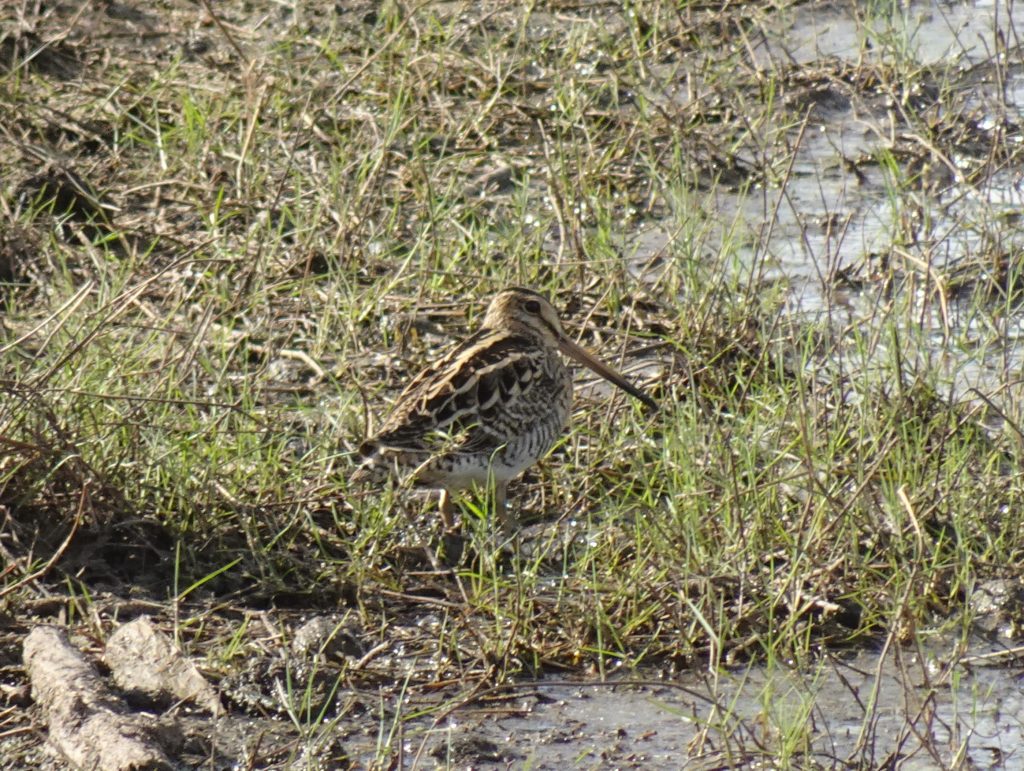
Our targeted survey programs regularly address species including Koala, Greater Glider, Grey-headed Flying-fox, Glossy Black-Cockatoo, and migratory shorebirds listed under the EPBC Act and international agreements.
Click below to learn more about Austecology’s approach to threatened species management.
We undertake these assessments to support a variety of processes, including:
We deliver these assessments across South East Queensland — including Brisbane, Gold Coast, Sunshine Coast, Logan, Ipswich, and the Scenic Rim — as well as regional Queensland and the Northern Territory.
We have the capacity and experience to successfully implement your ecological assessments in a wide variety of environments, be they urban settings, pastoral lease-hold lands, industrial landscapes, or remote area greenfield locations.
Engaging our expert services establishes a robust foundation for your project’s environmental compliance. Our team’s skill set and experience can assist in distilling the essential requirements for each unique combination of site values, project characteristics, and legislative implications, and provide high-quality assessments to avoid costly delays and regulatory challenges that often stem from inadequate early evaluations.
The cost of an ecological assessment depends on several factors, including the size and complexity of the site, the threatened species and ecological values relevant to your area, the seasonal survey windows that apply, and the level of rigour required to satisfy the relevant assessment agency. A straightforward desktop review and site assessment for a small development will cost significantly less than a multi-season targeted survey program for a large infrastructure project with multiple MNES or MSES triggers.
We apply technologies such as thermal drone surveys and passive acoustic monitoring to increase efficiency and data quality while reducing field expenses. These methods allow us to cover larger survey areas with fewer personnel and generate more robust datasets than traditional methods alone.
Getting the scope right from the outset avoids the costly delays and additional survey costs that often stem from an inadequate baseline survey that fails to satisfy the assessing agency’s requirements.Getting the scope right from the outset avoids the costly delays and additional survey costs that often stem from an inadequate baseline survey that fails to satisfy the assessing agency’s requirements.
An ecological assessment typically begins with a desktop review of existing data, including government mapping of Matters of State Environmental Significance (MSES), an EPBC Act Protected Matters Search Tool report for Matters of National Environmental Significance (MNES), and relevant local government planning scheme overlays. This identifies the ecological values potentially associated with your site and the regulatory framework that applies to your project.
Depending on what the desktop review identifies, field assessments may then include general habitat assessments, vegetation and fauna surveys, and targeted surveys for specific threatened or migratory species such as Koala, Greater Glider, Glossy Black-Cockatoo, or migratory shorebirds. The scope of fieldwork is determined by the species and ecological values relevant to your site, the nature of the proposed development, and the expectations of the relevant assessment agency.
The assessment is documented in a report that addresses the applicable legislative requirements — whether that is a local government planning scheme, State Code 25, the State Planning Policy, or an EPBC Act referral — and provides clear guidance on impact avoidance, mitigation, and any offset obligations.
The cost of an ecological assessment is driven by the species and ecological values relevant to your site, the regulatory pathway your project triggers, and the level of survey effort required to satisfy the relevant assessment agency. A site with a single MSES trigger assessed under a local planning scheme will require a very different scope of work to a project that triggers EPBC Act referral for multiple threatened species. Seasonal survey windows also affect cost with some species requiring survey at specific times of year, which may influence project timing and the number of survey events required.
We apply technologies such as thermal drone surveys and passive acoustic monitoring to increase survey efficiency and data quality while reducing field expenses. These methods allow us to cover larger survey areas with fewer personnel and generate more robust datasets than traditional methods alone.
Our decades of experience across local government, State, and Commonwealth assessment processes equips us with the capacity to size the level of survey effort and reporting required to meet the expectations of the relevant assessment agency. Every survey is designed to be cost-effective, scientific, and robust, without overcomplication. Getting the scope right from the outset avoids the costly delays and additional survey costs that often stem from an inadequate baseline survey that fails to satisfy the assessing agency’s requirements..

Spanning approximately 2,000 hectares, the Yarrabilba Urban Development Area represents a significant State urban planning initiative in South-East Queensland.

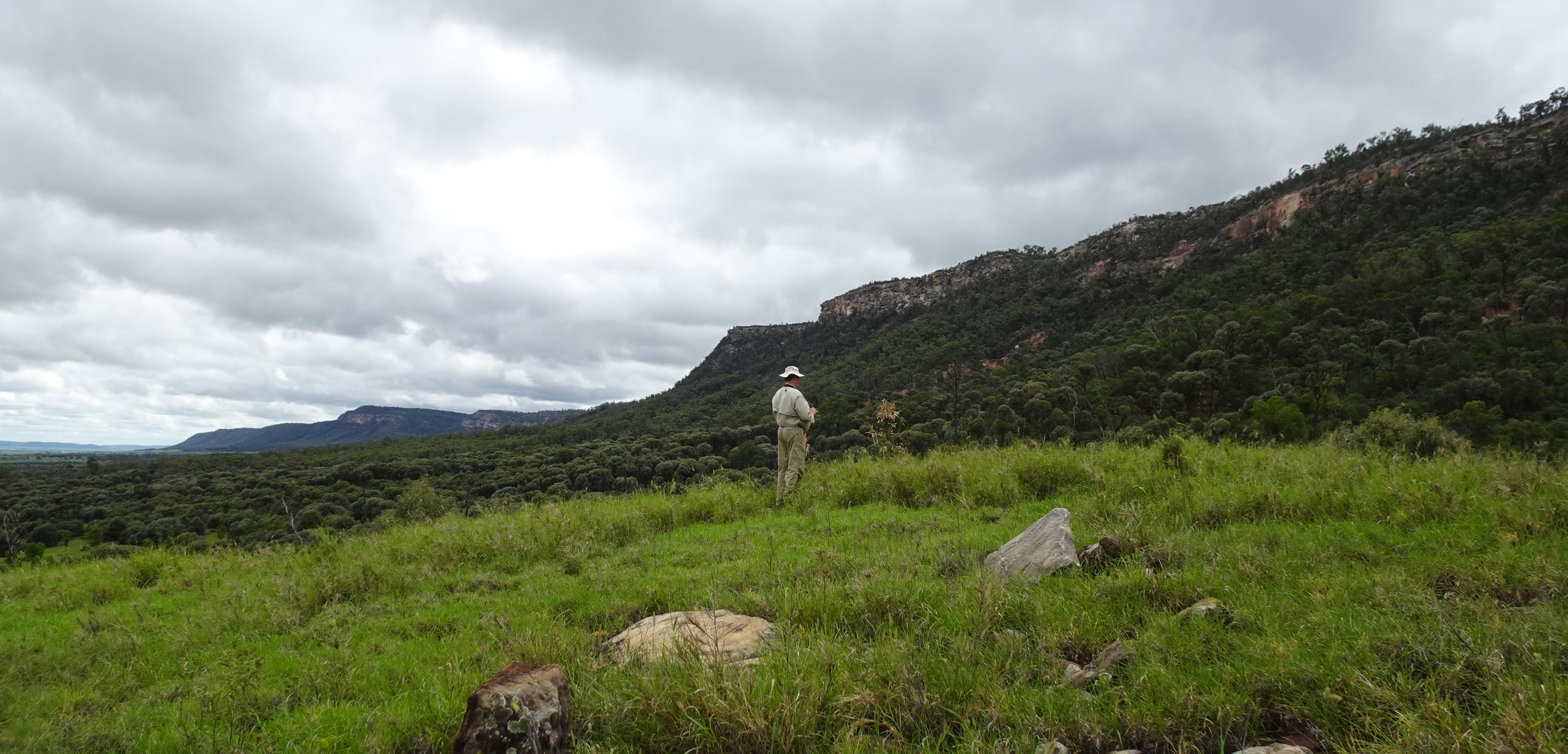
Seafarms Group Limited proposed to develop a substantive aquaculture project located on the Legune coastal floodplain within the extreme north-west corner of the Northern Territory.
The Coomera Connector (sometimes referred to as the Second M1), is a future state-controlled road extending some 45 kilometres from the northern Gold Coast to Loganholme.